Visit ·
Step Back in Time with Berlin’s Historic Landmarks
Berlin is packed with historic landmarks that tell the story of the city’s rich past. You can explore iconic sites like the Brandenburg Gate, the Berlin Wall, and the Reichstag, each offering unique insights into Germany’s history.
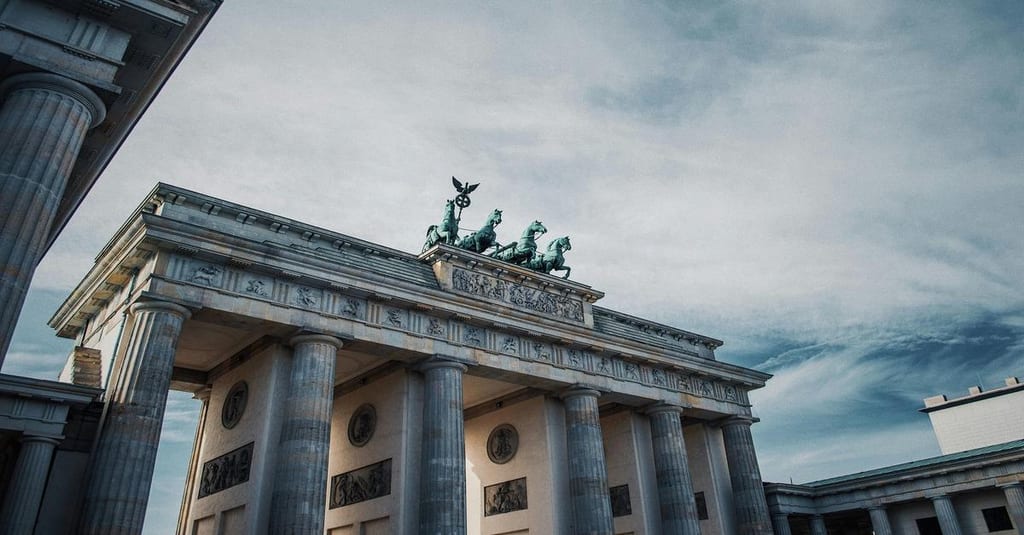
PHOTO BY ABDEL RAHMAN ABU BAKER ON PEXELS
Berlin’s historic landmarks tell the story of a city that has been at the centre of European history for centuries. The Brandenburg Gate, the Berlin Wall Memorial, and the Reichstag each offer a different window into Germany’s past.
Together they trace a journey from Prussian grandeur through division and reunification.
Brandenburg Gate
The Brandenburg Gate is one of Berlin's most iconic landmarks. Built in the 18th century, it symbolizes peace and unity.
You can find it at Pariser Platz, a central square that buzzes with activity. The neoclassical design features 12 columns and stands 26 meters tall.
Visiting the Gate offers a chance to appreciate its historical significance. It's especially stunning when illuminated at night.
See the gate through the years in this video:
View on Instagram
Berlin Wall Memorial
The Berlin Wall Memorial is a significant site that commemorates the division of the city from 1961 to 1989. Here, you can explore the history and impact of the Wall on Berlin and its residents.
Visiting the memorial gives you a chance to learn more about the struggles faced by many during the Cold War era. It’s a poignant experience that helps connect the past with the present.
See some poignant photos here:
View on Instagram
Reichstag Building
The Reichstag Building is a must-see when you’re in Berlin. It serves as the home of the German Parliament and is rich in history.
The glass dome, designed by architect Norman Foster, provides stunning views of the city. The building has survived fire, war, and political change since its opening in 1894.
Visitors can tour the glass dome and learn about German parliamentary history while taking in sweeping views of the city. The mix of 19th-century grandeur and Norman Foster's modern intervention makes it worth seeing inside and out.
Watch this video to see the building’s facade: