Food ·
Hidden Gems of German Cuisine: Lesser-Known Dishes to Try
German cuisine is often associated with sausages and schnitzels, but there’s a world of lesser-known dishes waiting to be explored. From hearty regional specialties to unique delights such as Handkäse mit Musik, these hidden gems offer a taste of Germany that many overlook.
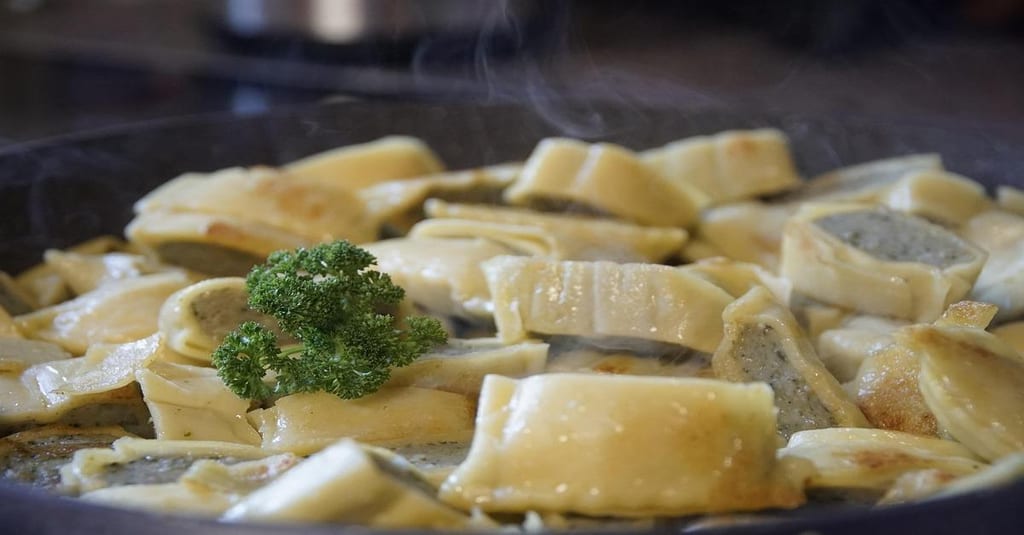
PHOTO BY JHENNING ON PIXABAY
German cuisine is often associated with sausages and schnitzels, but there’s a world of lesser-known dishes waiting to be explored. From hearty regional specialties to unique delights such as Handkäse mit Musik, these hidden gems offer a taste of Germany that many overlook.
Venturing beyond the familiar reveals flavors and ingredients that reflect the genuine diversity of German culinary traditions.
Maultaschen
Maultaschen, often called "Swabian ravioli," are a traditional dish from Germany’s Swabia region. These hearty dumplings feature a pasta-like dough filled with minced meat, spinach, onions, and spices, creating a rich and flavorful bite.
They can be served in different ways: in a warm broth, pan-fried for a crispy texture, or topped with onion sauce or gravy.
Traditionally eaten during Lent to conceal meat, Maultaschen reflect Swabia’s culinary history—and are well worth trying if you’re exploring beyond the usual German staples.
Here’s a recipe to follow:
View on Instagram
Grünkohl Mit Pinkel
Grünkohl mit Pinkel is a traditional winter dish from Northern Germany. It features slow-cooked kale combined with Pinkel, a smoked sausage that adds a deep, savory taste.
Typically served with potatoes or bread, this dish is both comforting and filling. Key ingredients include kale, onions, mustard, and Pinkel sausage. The kale is simmered until tender, allowing the flavors to meld beautifully.
This dish showcases Germany’s regional culinary traditions.
Check out the dish here:
View on Instagram
Handkäse Mit Musik
Handkäse mit Musik is a traditional dish from Hesse, especially popular in Frankfurt. It features Handkäse, a sour, unaged cheese made from cow’s milk, served with a tangy marinade of onions, vinegar, oil, and spices.
The name “mit Musik” refers to the pickled onions, which are said to create a musical effect after eating. Caraway seeds add a distinctive flavor, enhancing the dish’s unique taste.
Typically enjoyed with bread or pretzels, Handkäse mit Musik pairs well with a cold beer, making it a favorite local snack.
Making it is easy, too. Here’s a recipe: