Food ·
Beyond Bratwurst: Germany’s Regional Food Secrets You’ve Never Heard Of
Germany’s food scene goes far beyond bratwurst and pretzels. Each region offers its own hidden culinary gems, full of rich flavors and surprising traditions.
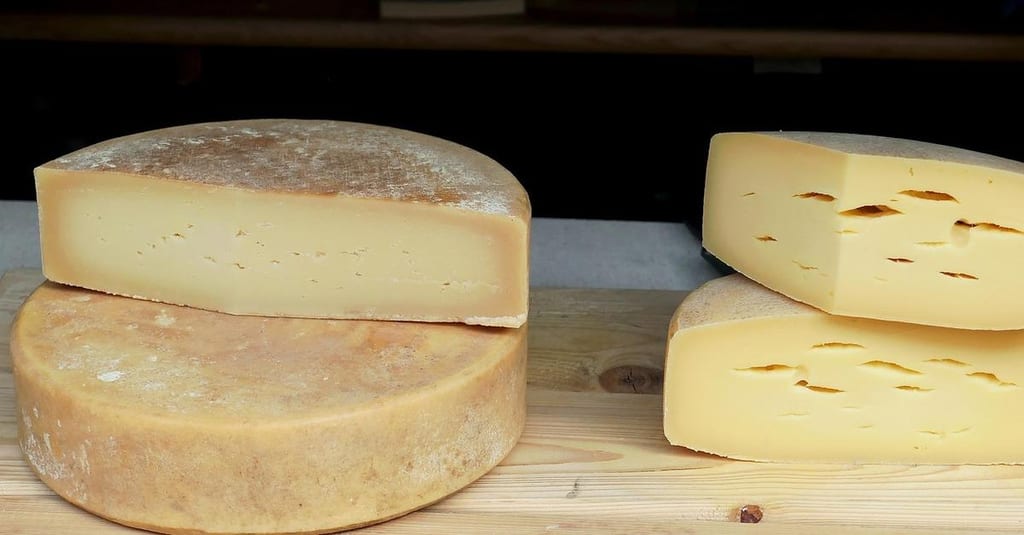
PHOTO BY MORITZ320 ON PIXABAY
Germany’s food scene extends well beyond bratwurst and pretzels. Each region has developed its own dishes over centuries, shaped by local ingredients, climate, and history.
From the robust stews of the north coast to the sweet specialties of southern Germany, these lesser-known dishes reveal a far more interesting culinary landscape than most visitors expect.
Regional Dishes You’ve Never Tried
Germany’s cuisine stretches far beyond bratwurst. In the north, Labskaus blends corned beef, potatoes, and beetroot into a salty, hearty meal loved by locals.
In the south, Maultaschen offers a Swabian twist on stuffed pasta, filled with meat, spinach, and herbs. Along the Baltic coast, Schwarzsauer stands out as a tangy soup made with blood sausage and vinegar, featured in the post below:
View on Instagram
Each dish reflects its region’s history and flavors, showing the surprising diversity of Germany’s traditional foods.
Hidden Taverns And Markets
In small towns and cities, hidden taverns offer authentic flavors away from tourist crowds. Many serve traditional foods like Schmalz, cured meats, and homemade stews passed down through generations.
Weekend markets are treasure troves for regional foods. Visitors can find fresh cheeses, organic vegetables, homemade breads, and rare fruits that supermarkets rarely carry.
Places like Viktualienmarkt in Munich and Berlin’s Naschmarkt, featured in the post below, highlight how local markets keep Germany’s culinary traditions alive for those willing to explore:
View on Instagram
Artisans Keeping Traditions Alive
Many German artisans still use traditional methods passed down through generations. They focus on quality over quantity, preserving the true flavors of their regions.
Black Forest ham makers in Baden-Württemberg age and smoke their meat naturally, using local wood and fresh air. In the following video, you can see how these traditions create legendary cured meats still prized today:
Cheesemakers in Bavaria also handcraft Allgäuer Bergkäse with raw milk and slow aging.
Small producers like these are the reason Germany’s regional food culture stays alive and worth seeking out.